
Thin and Brittle Hair: When It’s No Longer Cosmetic and What Can Actually Help
At first, it feels minor. Hair does not hold its shape, volume disappears faster than usual, and during brushing it seems to break rather than simply shed. Many people attribute this to stress, weather, or a temporary phase. In reality, this is often how a long-term weakening of hair begins — quietly, gradually, and without obvious warning signs.
When these changes persist, professional evaluation becomes essential. The Hair Health Center in Haifa works with such conditions from the very first diagnostic stage, focusing on identifying the real cause behind thinning and fragility rather than masking the symptoms.
According to clinical observations, thin and brittle hair almost never appears overnight. In most cases, it develops as a cumulative response to environmental stress, lifestyle factors, and internal imbalances within the body.
Why Hair Loses Strength and Becomes Fragile
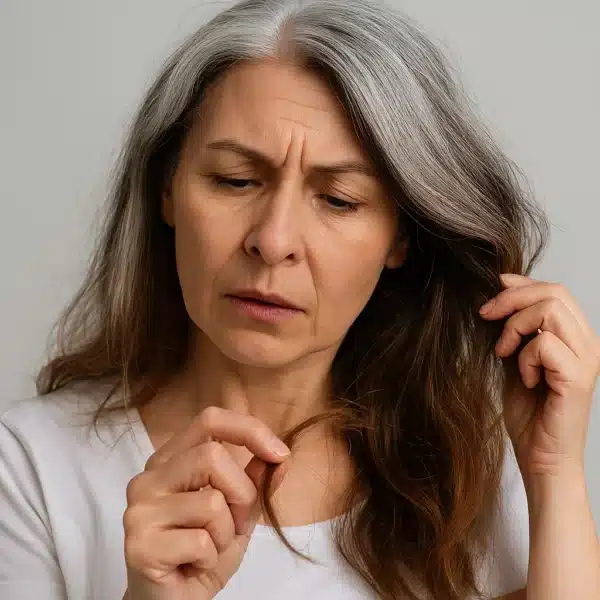
Living conditions in Israel place constant pressure on hair health. Prolonged sun exposure, high temperatures, dry air, and sudden humidity changes disrupt the natural protective layer of the hair shaft and scalp. As a result, hair loses elasticity, moisture, and structural resilience.
Water quality adds another layer of stress. Hard water, common in many regions, gradually affects the hair’s surface and internal structure, making it more rigid and prone to breakage. Frequent exposure to sea water and chlorinated pools intensifies this effect.
Internal factors often amplify the damage. Iron deficiency, low vitamin D, B-vitamin imbalance, and chronic stress interfere with proper follicle nutrition. In such conditions, the body prioritizes essential systems, leaving hair growth and repair under-supported.
“When hair starts breaking along its entire length, it is often an early sign of a deeper imbalance — either within the scalp environment or the body as a whole,” note hair health specialists.
Some cases involve inflammatory or bacterial scalp conditions that weaken follicles over time. Hair repair strategies in such situations differ significantly and require targeted approaches, which are explained in detail on the Russian-language page dedicated to hair restoration and recovery treatments, where scalp-focused therapies are discussed.
Why Shampoos and Masks Rarely Solve the Problem
Cosmetic products can temporarily improve how hair looks and feels. Smoothness, shine, and softness may return briefly, creating the impression that the issue is resolved. However, these effects remain superficial.
When follicles are undernourished or the scalp environment is compromised, external care alone cannot restore strength from within. This explains why many people cycle through countless products without achieving lasting improvement.
Those seeking a deeper understanding of professional hair and scalp maintenance can explore the Hebrew-language educational section of the site, including in-depth articles on scalp balance and hair care approaches, where long-term strategies are discussed beyond cosmetic fixes.
How Thin and Brittle Hair Is Addressed Professionally
Effective treatment begins with diagnosis. Specialists assess scalp condition, hair thickness, follicle density, and growth phase activity. This data determines whether the process is reversible and which interventions are most appropriate.
Depending on the findings, treatment may include mesotherapy to nourish follicles, PRP therapy to stimulate growth, advanced scalp rehabilitation methods, and personalized nutritional guidance. There is no universal protocol — each plan is tailored to the individual.
“The most common mistake is searching for a single solution. Hair responds to multiple variables, and meaningful improvement only comes from personalized treatment,” emphasize specialists at the center.
The Hair Health Center is located in Haifa and serves residents across Northern Israel, including the Krayot area, Nesher, Tirat Carmel, Acre, and nearby cities within a 20–40 minute travel radius. This accessibility allows for consistent follow-up rather than one-time intervention.
Thin and brittle hair is not a permanent condition. When the underlying causes are identified early and addressed correctly, it is often possible to stop further weakening and significantly improve hair quality over time.