
Hair Damage
For many people, hair damage develops quietly. Hair loses its natural shine, tangles more easily, ends begin to split, and after washing there is a sense that the hair feels “empty.” Styles do not hold as long, strands become stiff, and breakage appears during brushing. These changes are often blamed on age, seasonal shifts, or a new shampoo, while the real issue is cumulative structural damage.
When these signs persist, a professional approach becomes necessary. The Hair Health Center in Haifa treats hair damage as a multifactorial condition — one that involves the internal structure of the hair shaft, scalp health, and daily care habits, rather than a surface-level cosmetic problem.
Clinical experience shows that many people seek help only after years of repeated coloring, straightening, or intensive heat styling, when hair has already lost much of its ability to recover on its own.
Why Hair Becomes Damaged and Loses Its Quality
The primary cause of hair damage lies in changes to its internal structure. Chemical procedures such as coloring, bleaching, perming, and straightening disrupt the protective cuticle and alter the protein bonds inside the hair shaft. As a result, hair becomes porous, fragile, and more vulnerable to external stress.
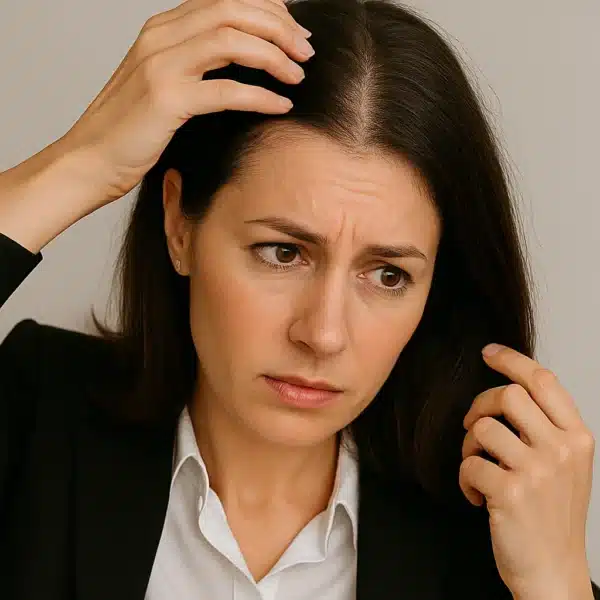
Heat exposure intensifies this process. Frequent use of blow dryers, flat irons, and curling tools at high temperatures removes moisture from the hair and reduces elasticity. Over time, hair loses the ability to retain hydration, even when masks and conditioners are used regularly.
Environmental factors in Israel further accelerate damage. Strong sun exposure, dry air, and contact with salt water weaken the hair structure, especially when it has already been compromised by chemical treatments.
“Damaged hair is not a momentary issue. It is the result of accumulated stress that gradually alters the internal architecture of the hair,” note hair health specialists.
Different mechanisms of hair damage and recovery are explained in professional educational materials, including the Hebrew-language resource dedicated to hair rehabilitation and protection strategies, where structural changes and restoration approaches are discussed in depth.
Why Home Care Cannot Truly Repair Damaged Hair
Most people respond to hair damage by searching for intensive repair products — rich masks, oils, ampoules, and “bond-repair” treatments. While these products may temporarily improve appearance, they do not restore the damaged internal structure of the hair.
The reason is simple: cosmetic products work mainly on the surface. They smooth the cuticle and reduce friction, but they cannot fully rebuild broken protein bonds within the hair shaft. Once use stops, dryness and breakage usually return.
Another frequent mistake is ignoring scalp condition. If the scalp is irritated, inflamed, or poorly supplied with blood, new hair grows weaker from the start, regardless of how carefully the lengths are treated.
The relationship between structural hair damage and ongoing fragility is clearly described on the Russian-language page focused on damaged hair and its causes, which explains why surface-level care alone cannot reverse long-term deterioration.
How Hair Damage Is Addressed Professionally
Effective recovery begins with diagnosis. Specialists assess the degree of damage, hair porosity, scalp condition, and follicle activity. This evaluation helps determine which areas of the hair can be supported and which will gradually be replaced by healthier growth.
Based on diagnostic findings, an individualized program is created. It may include treatments aimed at strengthening the hair structure, improving follicle nutrition, restoring scalp balance, and providing clear guidance on reducing heat and chemical exposure.
“Our goal is not to conceal damage, but to stop its progression and create conditions in which new hair grows stronger and more resilient,” emphasize specialists at the center.
Hair recovery is a gradual process. In most cases, it requires time, consistency, and adjustments in daily habits to achieve objective improvement rather than a short-lived cosmetic effect.
The Hair Health Center is located in Haifa and serves residents throughout Northern Israel, including the Krayot area, Nesher, Tirat Carmel, Acre, and nearby cities within a 20–40 minute travel radius. This accessibility supports continuous follow-up, which is essential for successful recovery.
Hair damage is not irreversible. When the causes are identified and addressed professionally, it is possible to halt structural deterioration, improve hair quality, and build a healthier foundation for future growth.
The real difference lies not in the number of products used, but in understanding the underlying causes of damage and applying a systematic, diagnostic-based approach to hair and scalp care.