
Progressive Hair Thinning and Hair Loss
For most people, hair thinning does not start suddenly. It develops gradually: the part line becomes wider, the hairline changes shape, or the crown area begins to look less dense. Some notice active shedding, while others see almost none — yet the overall volume continues to decrease. Over time, this process affects not only appearance but also confidence and daily comfort.
At this stage, delaying professional evaluation often leads to missed opportunities. The Hair Health Center in Haifa works with progressive thinning and hair loss through a structured medical approach — starting with diagnostics and continuing with individualized treatment strategies aimed at preserving and supporting existing hair.
Clinical experience shows that many people seek help only after visible changes become obvious to others. However, earlier intervention significantly increases the chances of slowing the process and maintaining hair density.
Why Progressive Hair Thinning and Hair Loss Develop
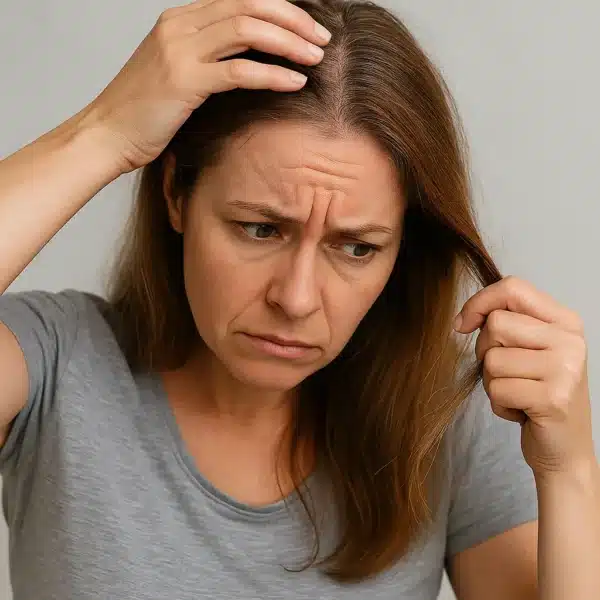
One of the most common causes of ongoing hair thinning is genetic predisposition. Androgenetic alopecia affects both men and women, although it presents differently. In men, it often appears as receding hairlines and crown thinning. In women, it is more likely to manifest as diffuse loss of density without clearly defined bald areas.
Genetics, however, rarely act alone. Hormonal fluctuations, prolonged stress, iron deficiency, vitamin imbalances, and thyroid disorders can all accelerate the thinning process. When these factors combine, the hair growth cycle shortens, and follicles gradually weaken.
Environmental conditions in Israel add another layer of complexity. Strong sun exposure, high temperatures, dry air, and seasonal humidity shifts affect scalp circulation and follicle health. Over time, these factors can reduce follicular activity and shorten the lifespan of each hair strand.
“Hair loss is not a sudden event. It is a gradual biological process that often begins long before visible thinning appears,” note hair health specialists.
The structural weakening of hair that precedes visible loss is explained in detail in professional materials. This connection between fragile hair structure and reduced density is also addressed in educational content, such as the Hebrew-language resource dedicated to scalp and hair physiology, which focuses on how follicle health directly impacts long-term hair stability.
Why Self-Treatment Rarely Stops Hair Loss
Many people begin with over-the-counter solutions — strengthening shampoos, topical serums, dietary supplements, or home remedies. These measures may improve the hair’s appearance temporarily, but they rarely influence follicle activity or hormonal sensitivity.
In cases of progressive thinning, the core issue lies beneath the surface. When follicles are hormonally sensitive, poorly nourished, or affected by reduced blood flow, external products cannot reverse the underlying mechanism.
Another common challenge is unrealistic timing expectations. Hair loss develops over months or years, and meaningful improvement requires consistency, monitoring, and patience. Short-term experimentation often leads to frustration rather than results.
For those seeking a structured medical perspective, the English-language overview on the Hair Health Center’s clinical approach explains how diagnostics and treatment planning are integrated into long-term hair preservation strategies.
How Progressive Hair Loss Is Addressed Professionally
Effective treatment begins with accurate diagnosis. Specialists assess hair density, follicle activity, scalp condition, and growth cycle phases. This evaluation determines which areas remain responsive and which require supportive management rather than stimulation.
Based on these findings, treatment plans may include therapies aimed at slowing hair loss, improving scalp microcirculation, stimulating active follicles, and preserving existing hair. In some cases, advanced procedures such as mesotherapy or PRP are combined with nutritional guidance and ongoing monitoring.
“Our goal is not to promise instant regrowth, but to preserve what can still be preserved and extend the lifespan of existing hair,” emphasize specialists at the center.
The Hair Health Center is located in Haifa and serves residents across Northern Israel, including the Krayot area, Nesher, Tirat Carmel, Acre, and nearby cities within a 20–40 minute travel radius. This accessibility supports consistent follow-up, which is essential for long-term results.
Even when genetic factors are involved, hair loss progression can often be slowed. Early assessment, evidence-based treatment, and individualized care significantly influence outcomes.
Progressive hair thinning is not merely a cosmetic concern. It is a physiological process that can be managed, monitored, and, in many cases, moderated — when addressed professionally and strategically.