
Scalp Itching, Inflammation, and Discomfort
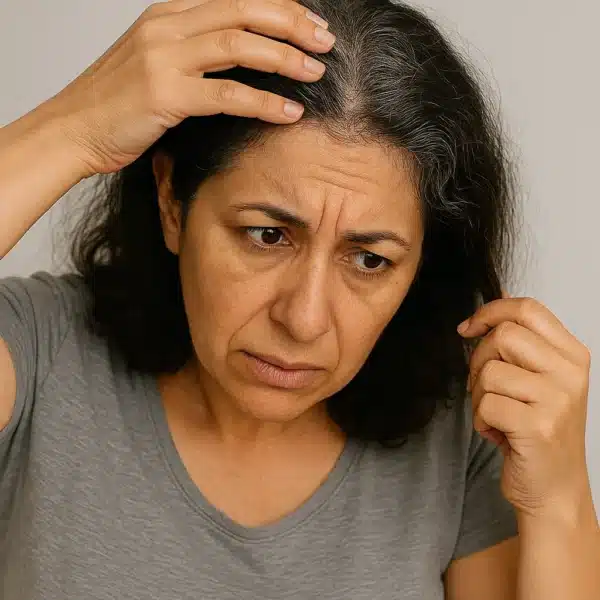
Scalp discomfort often begins quietly. Mild itching, a feeling of tightness, occasional redness, or light flaking are usually dismissed as temporary reactions to shampoo, weather changes, or stress. Many people try to ignore these signs. Over time, however, the irritation becomes persistent, sensitivity increases, and hair quality begins to decline. At that point, the issue is no longer superficial.
When symptoms stop being occasional, professional evaluation becomes essential. The Hair Health Center in Haifa approaches scalp problems as a medical factor that directly affects follicle function, hair growth cycles, and long-term hair quality — not as a cosmetic inconvenience.
Clinical experience shows that many people live with scalp discomfort for months or even years, treating symptoms without realizing that the scalp itself has become the source of the problem.
Why the Scalp Loses Balance and Becomes Irritated
The scalp is one of the most sensitive areas of the skin. It contains a high concentration of sebaceous glands, remains partially covered by hair, and is constantly exposed to environmental and internal stressors. Even minor disruptions can trigger inflammatory reactions.
One of the most common causes of itching and inflammation is an imbalance in the scalp’s natural microflora. Excessive bacterial or fungal activity, altered pH levels, increased oil production, or excessive dryness can all lead to chronic irritation and impaired follicle function.
Environmental conditions in Israel intensify these challenges. Strong sun exposure, heat, dry air, and abrupt transitions between outdoor heat and air-conditioned interiors weaken the scalp’s protective barrier. Over time, this increases sensitivity and reduces resilience.
“A chronically inflamed scalp cannot support healthy hair growth. When inflammation persists, follicles operate under constant stress,” note hair health specialists.
Scalp disorders are often connected to broader hair issues, including progressive thinning or hair loss. This relationship is discussed in detail on the Russian-language page dedicated to itching, inflammation, and scalp discomfort, where chronic irritation is described as a factor that can accelerate hair weakening over time.
Why Self-Treatment Rarely Solves Scalp Problems
Most people begin with home solutions: medicated shampoos, oils, scrubs, pharmacy products, or “natural” remedies. These measures may bring temporary relief, but symptoms often return — sometimes more intensely than before.
The main reason is the absence of proper diagnosis. Without understanding whether the issue involves fungal overgrowth, bacterial imbalance, allergic response, excessive oiliness, or extreme dryness, treatment becomes guesswork. In many cases, incorrect care worsens the condition.
Another common mistake is over-treating the scalp. Frequent product changes, aggressive cleansing, or unregulated exfoliation damage the scalp’s protective barrier and increase reactivity instead of restoring balance.
The limitations of unsupervised scalp treatments are clearly illustrated in the Russian-language explanation of scalp peeling procedures, where improper or excessive exfoliation is shown to aggravate inflammation rather than resolve it.
How Scalp Conditions Are Treated Professionally
Effective treatment starts with thorough diagnostics. Specialists evaluate scalp condition, oil production, signs of inflammation, vascular response, and follicle health. This allows them to distinguish between primary scalp disorders and secondary symptoms linked to other hair conditions.
Based on diagnostic findings, an individualized treatment plan is created. This may include controlled cleansing, microflora balancing, anti-inflammatory procedures, barrier restoration, and techniques to improve scalp circulation. In some cases, supportive therapies are introduced gradually to avoid further irritation.
“We do not treat itching or redness in isolation. Our goal is to restore scalp stability so that hair can grow in a healthy environment,” emphasize specialists at the center.
Scalp treatment is a process rather than a single procedure. Most cases require staged care and ongoing monitoring to prevent recurrence and maintain long-term improvement.
The Hair Health Center is located in Haifa and serves residents throughout Northern Israel, including the Krayot area, Nesher, Tirat Carmel, Acre, and nearby cities within a 20–40 minute travel radius. This accessibility makes consistent follow-up and treatment continuity realistic.
When scalp inflammation and irritation are reduced, hair benefits as well. A balanced scalp provides the conditions necessary for stronger growth, improved density, and greater resilience over time.
For this reason, persistent itching, flaking, or discomfort should not be viewed as minor issues. These symptoms are signals that professional assessment and targeted care are needed — not temporary fixes.